

Homemade English Muffins
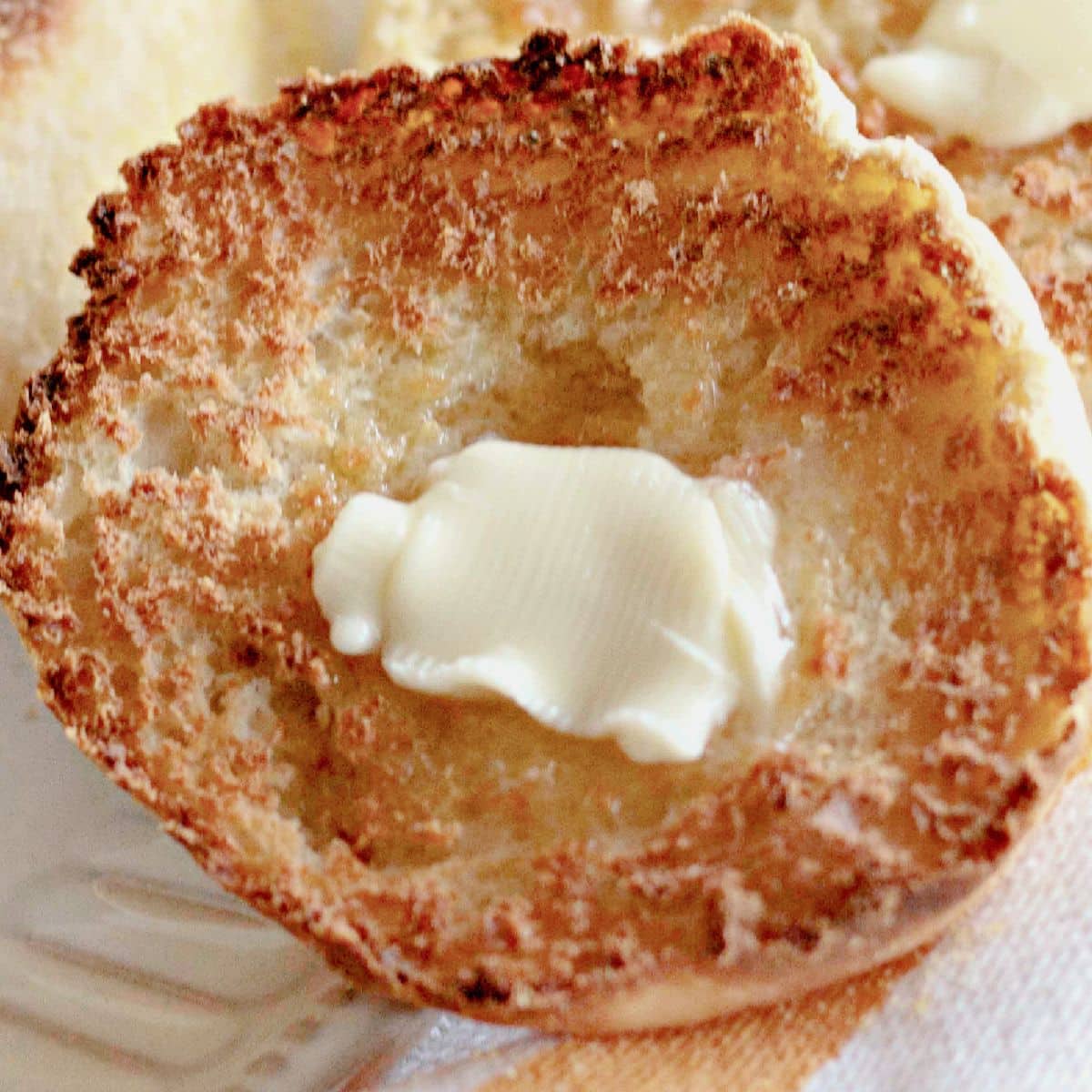
If you’ve never made Homemade English Muffins, you’re in for a treat. They’re soft, fluffy, perfectly chewy, and have all those signature nooks and crannies that are just begging for melted butter, jam, or your favorite breakfast sandwich fillings. Best of all, they’re surprisingly simple to make with just a handful of pantry staples.
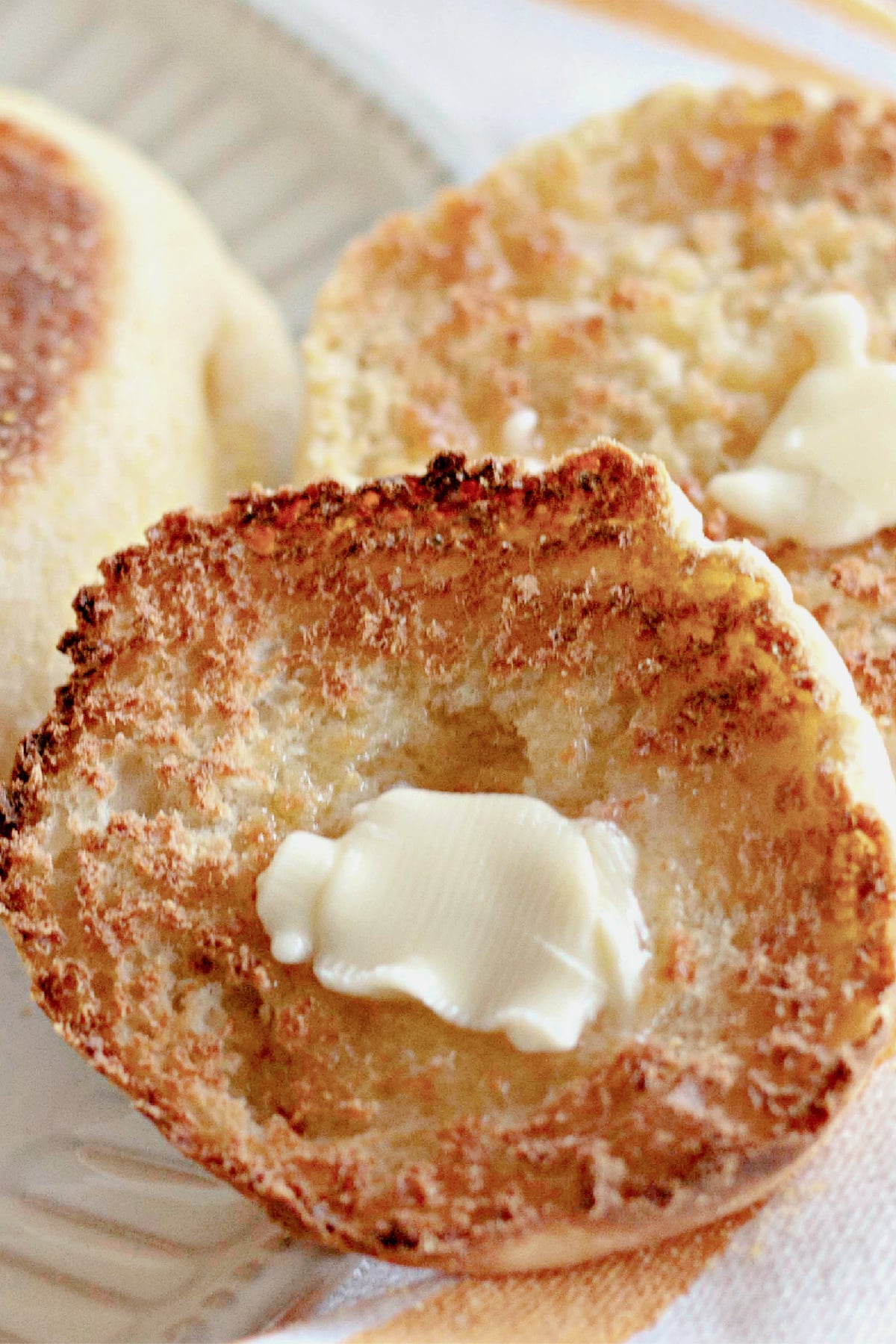
Unlike store-bought versions, these homemade English muffins have incredible fresh-baked flavor and a tender texture that’s hard to beat. Whether you’re serving them for breakfast, brunch, or meal prepping for the week, this recipe is one you’ll come back to again and again.
If you’re a fan of easy homemade bread recipes, be sure to try our easy sourdough bread or homemade Hawaiian rolls.
Table of contents
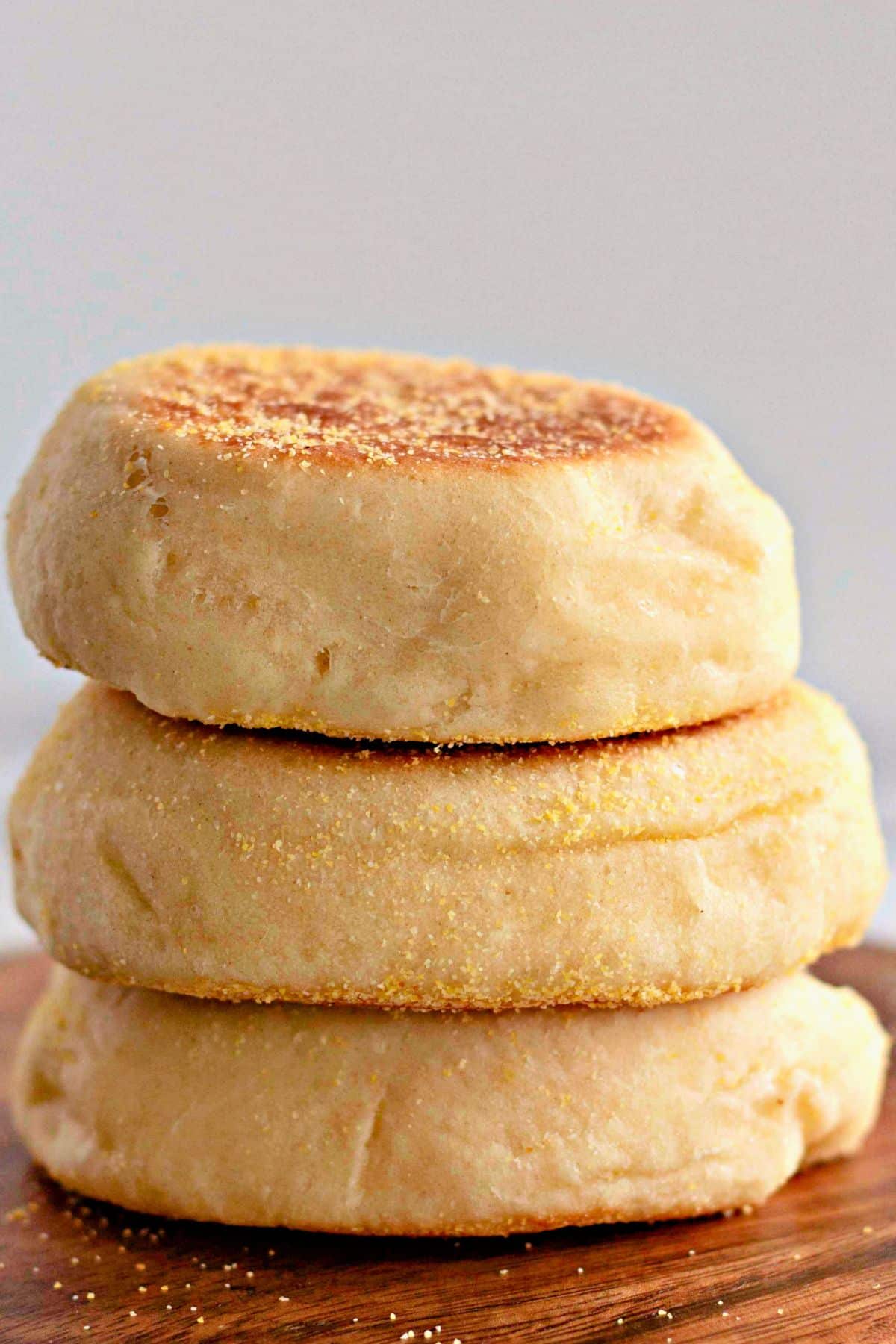
Why You’ll Love This Recipe
- Soft, tender centers with classic nooks and crannies.
- Cooked on a skillet instead of baked.
- Perfect for breakfast sandwiches.
- Freezer-friendly for easy meal prep.
- Made with simple pantry ingredients.
- Much better than anything you’ll find at the grocery store.
Key Ingredients
We’ve made this list to help you save time on your next trip to the grocery store. You can find the full amounts needed in the printable recipe card at the bottom of the post.
- Bread Flour: Its higher protein content creates a chewy texture and helps develop those classic nooks and crannies.
- Instant Dry Yeast: The key to light, airy muffins. It helps the dough rise and gives the muffins their soft interior.
- Whole Milk: Adds richness and moisture, making the muffins tender while helping activate the yeast.
- Honey: Feeds the yeast for a good rise and adds a subtle touch of sweetness that balances the flavor.
- Cornmeal: Coats the outside of the muffins, giving them their signature lightly crunchy texture and classic bakery-style appearance.
Variations
- Keto-Friendly: Try our low-carb English muffins if you’re following a keto diet.
- Cinnamon Raisin: Fold 1 cup of raisins and 1 teaspoon of cinnamon into the dough before the first rise.
- Whole Wheat: Replace up to half of the bread flour with whole wheat flour for a heartier muffin.
- Everything Muffins: Brush the tops lightly with water before the second rise and sprinkle generously with everything bagel seasoning.
- Cheddar Herb Muffins: Mix shredded sharp cheddar and chopped fresh herbs into the dough for a savory version that’s perfect with soups and eggs.
How to Make Homemade English Muffins
This is a quick overview of the steps needed to make this recipe. You can find the full instructions in the recipe card at the bottom of this post.
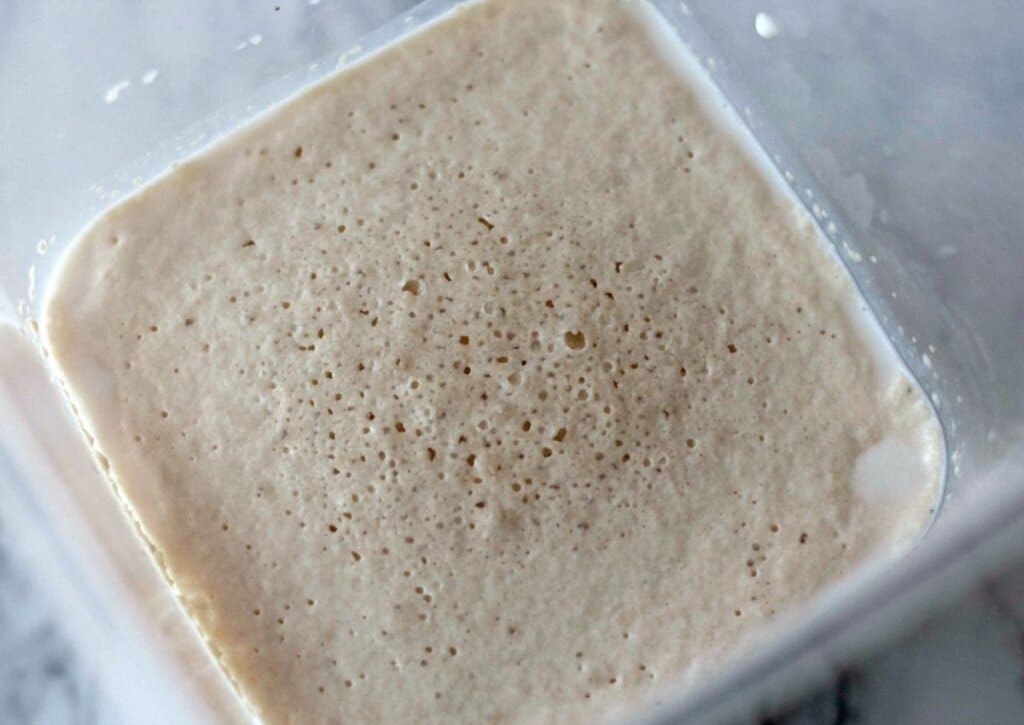
- Mix warm milk, honey, and yeast. Let the mixture bloom for about 10 minutes until frothy.
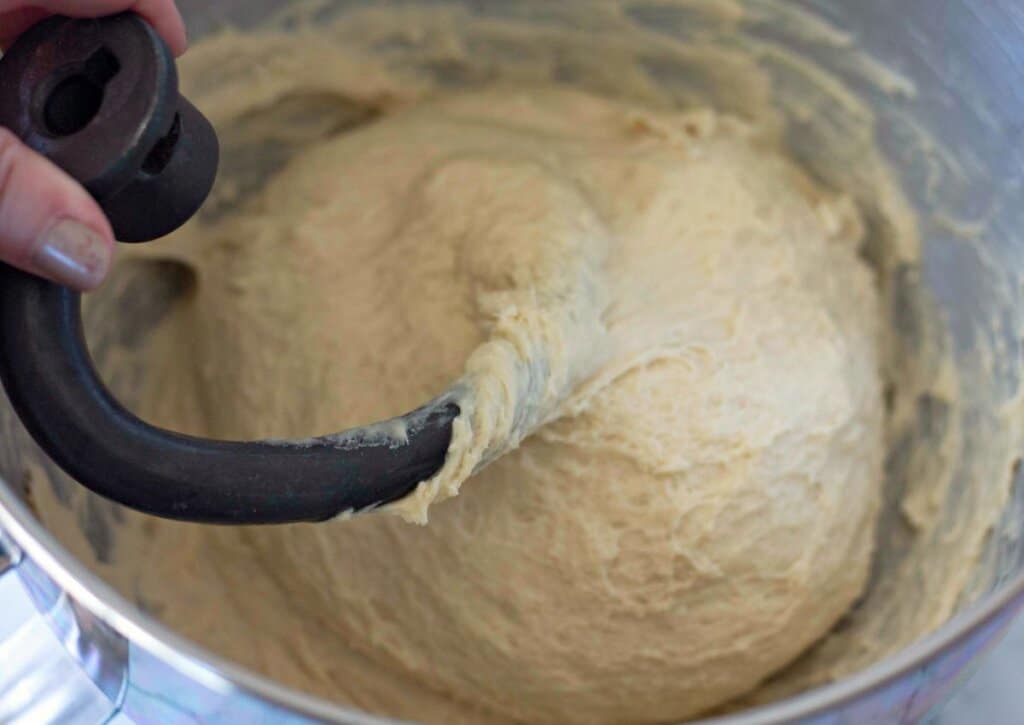
- Add the dough ingredients to a stand mixer fitted with a dough hook and mix for about 5 minutes.
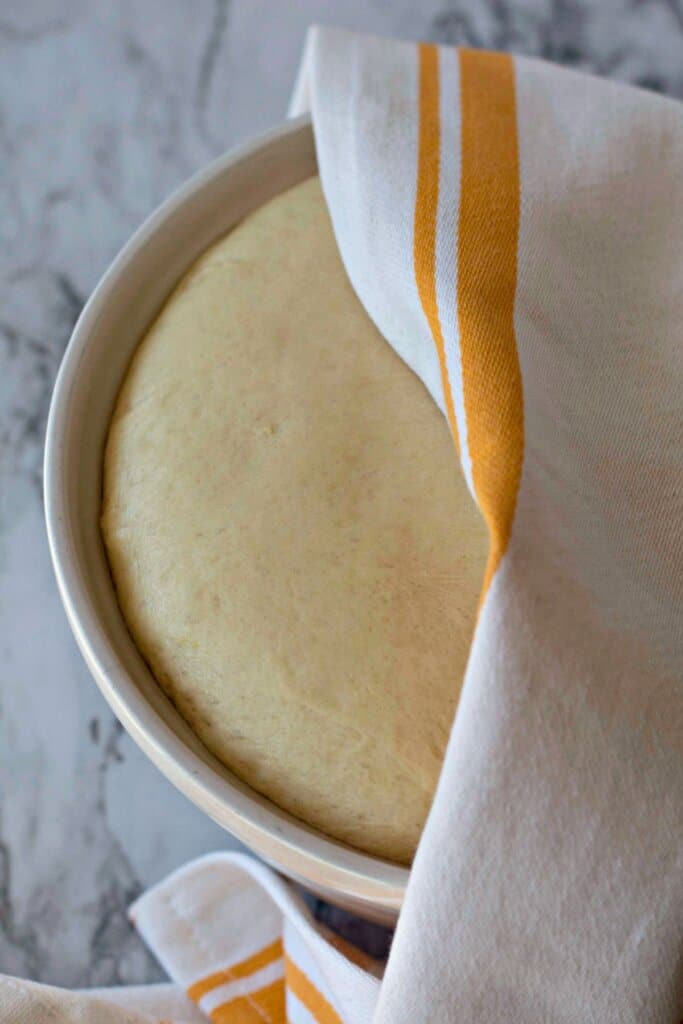
- Grease a large bowl with oil and turn once to coat. Cover with a clean towel and let rise in a warm place until doubled in size.
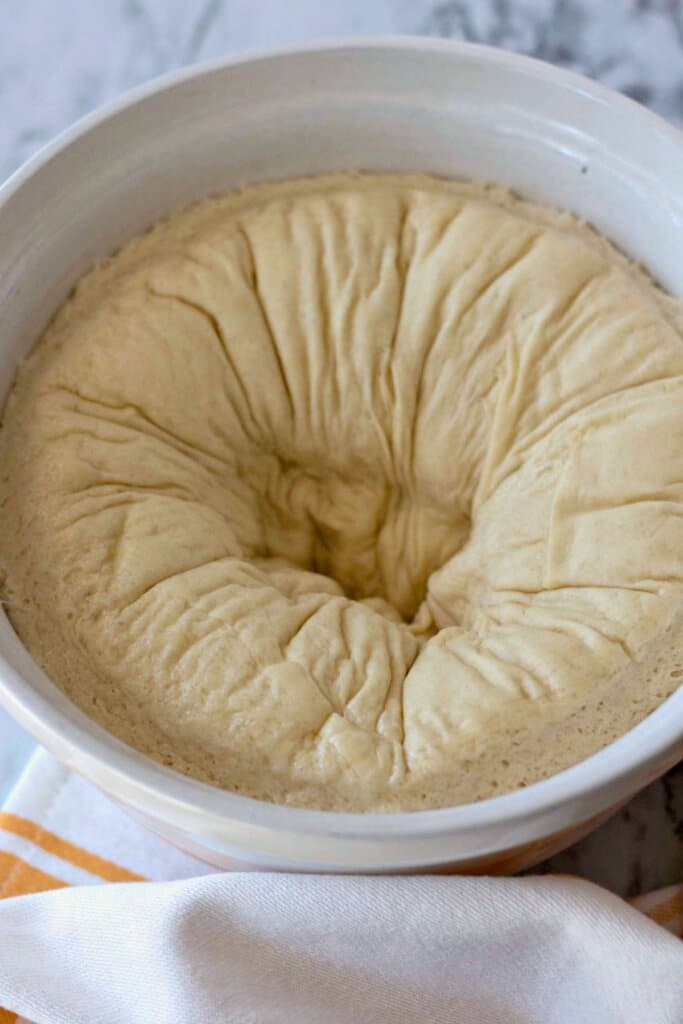
- Punch down the dough. Then divide it into 16 pieces.
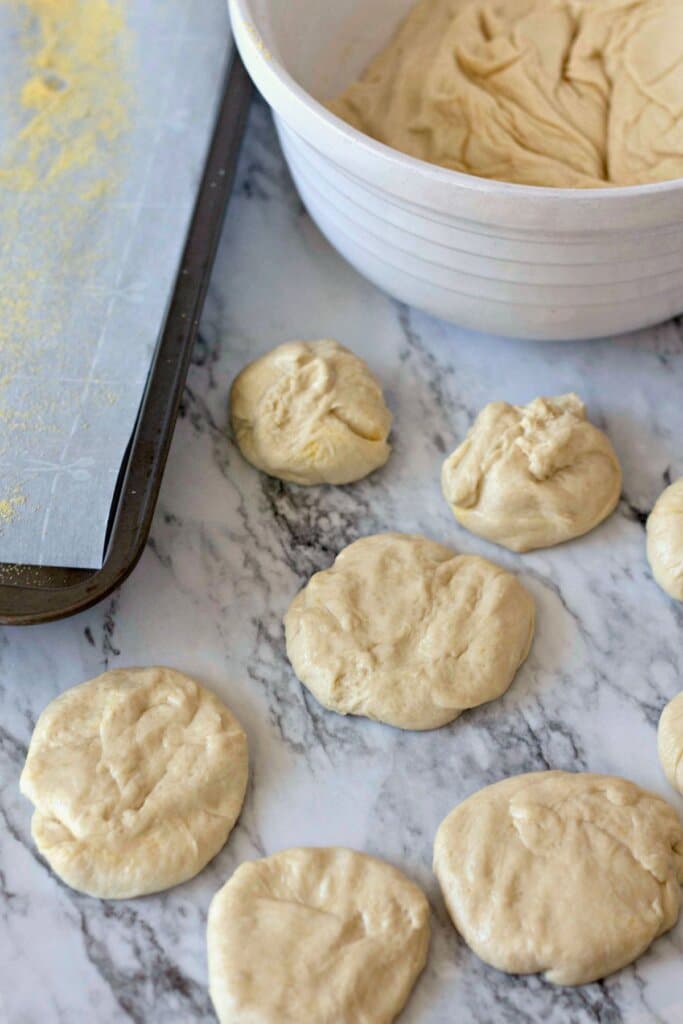
- Roll the portions into balls and gently flatten them into 4-inch discs.
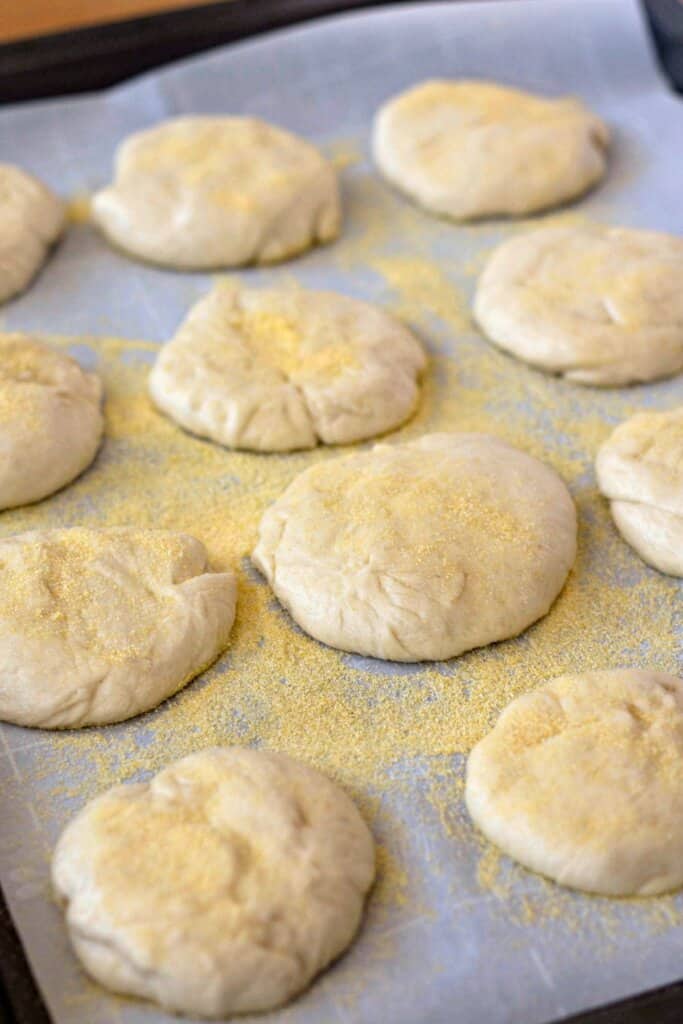
- Sprinkle parchment-lined baking sheets with cornmeal and place the discs on them. Then, sprinkle the discs with more cornmeal, cover, and let rise for 30 minutes.
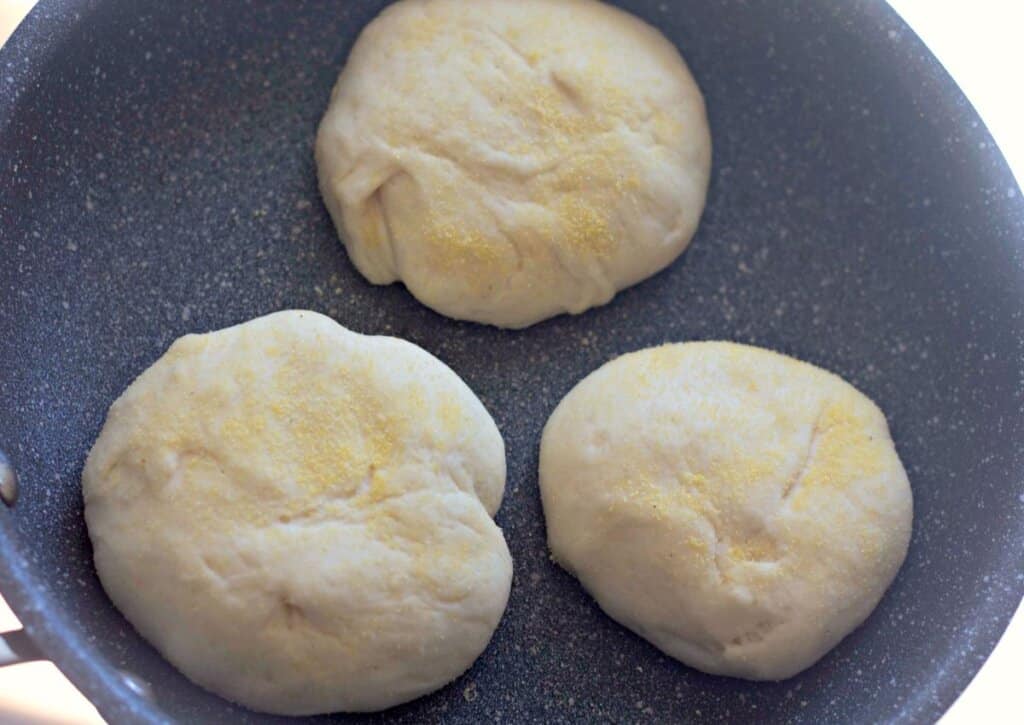
- In a lightly greased skillet or on a griddle, cook the muffins until golden and cooked through.
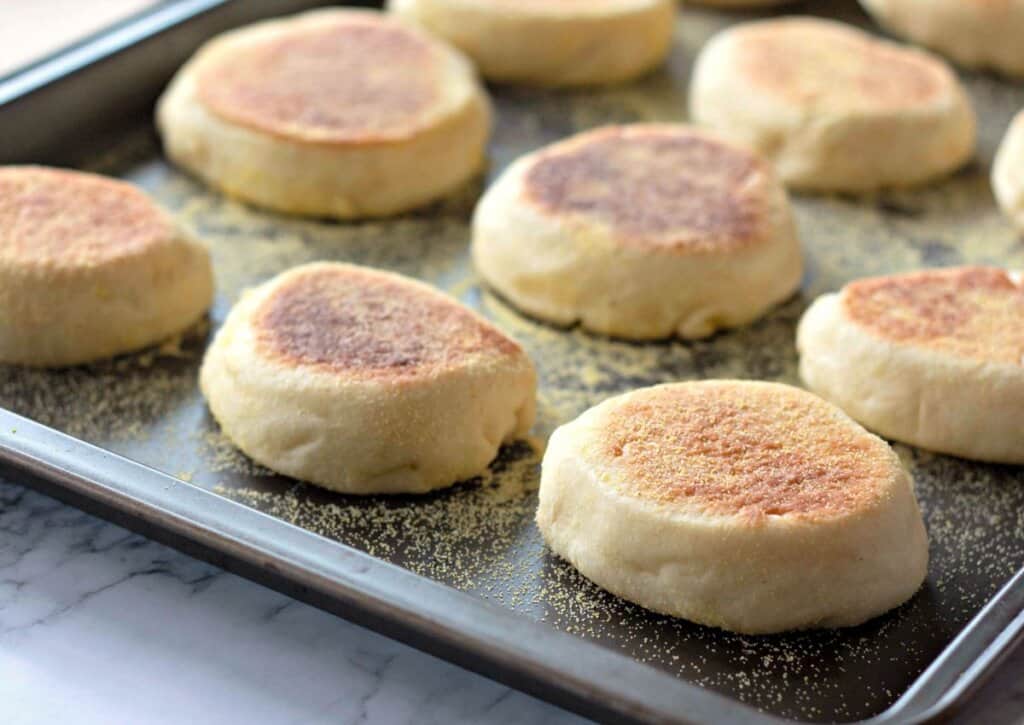
- Cool completely and enjoy!
Expert Tips
- Use bread flour for the best chewy texture.
- Don’t overheat the milk, or it can kill the yeast.
- Cook over medium heat so the centers finish cooking before the outsides brown too much.
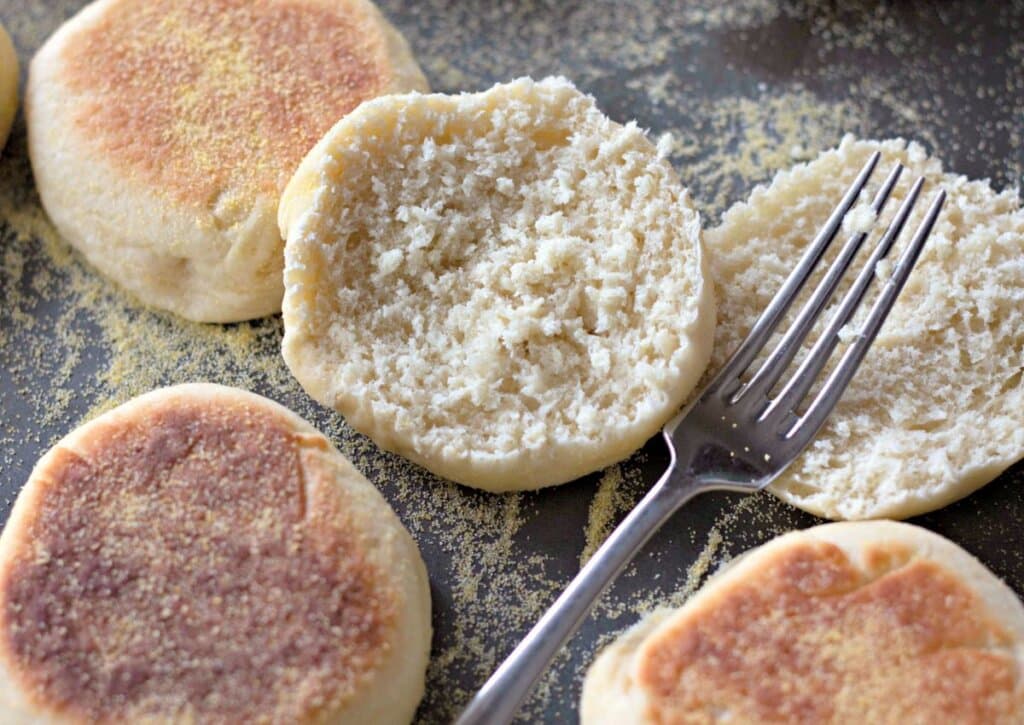
- Split muffins with a fork instead of a knife to preserve the signature texture.
- Let them cool completely before storing.
Homemade English Muffins FAQs
Do you have questions about this recipe? Here are the answers to the most commonly asked questions.
Not at all! While the dough needs time to rise, the process is straightforward and uses simple pantry ingredients. Even beginner bakers can make soft, fluffy English muffins with a little patience.
Dense English muffins are usually caused by inactive yeast, not allowing the dough to rise long enough, or adding milk that was too hot and damaged the yeast. Make sure your yeast becomes frothy before mixing the dough, and allow it to fully double in size during the first rise.
Bread flour is recommended because its higher protein content creates the chewy texture that’s characteristic of traditional English muffins. All-purpose flour will produce a softer, less chewy muffin.
Traditional English muffins are cooked on a griddle or skillet, which creates their signature golden crust and soft interior with plenty of nooks and crannies. Baking them results in a different texture.
The muffins should be golden brown on both sides and cooked through in the center. Cooking them over medium heat for 7 to 10 minutes per side helps ensure the inside is done without burning the outside.
Yes! After the first rise, you can refrigerate the dough overnight. Let it come to room temperature before shaping, completing the second rise, and cooking.
Keep them in an airtight container at room temperature for up to 4 days. For longer storage, freeze them to maintain their freshness and texture.
Once completely cooled, store them in a freezer-safe bag or container for up to 3 months. Toast them straight from the freezer or thaw at room temperature before serving.
★ Did you make this recipe? Don’t forget to give it a star rating below! We would love to hear back from you! You can also FOLLOW US on Instagram, Pinterest, and Facebook for more delicious recipes.
📖Recipe
Want to make this recipe? Print the recipe card below, or pin this recipe, so you can find it later.
Homemade English Muffins
Equipment
- Stand mixer with dough hook (optional)
- large mixing bowl
- measuring cups and measuring spoons
- Small saucepan or microwave-safe measuring cup
- baking sheet
- parchment paper
- Clean kitchen towel
- Large skillet or electric griddle
- Spatula
Ingredients
- 2 cups whole milk
- 2 tablespoons honey
- .25 ounce instant dry yeast
- 5 cups bread flour
- ½ teaspoon salt
- 1 large egg
- ¼ cup butter melted
- ⅓ cup cornmeal
- Oil for greasing bowls and skillet
Instructions
- Warm the milk to about 110 degrees Fahrenheit. Stir in the honey and instant dry yeast. Let the mixture sit for 5 to 10 minutes, or until it becomes frothy.
- In the bowl of a stand mixer, combine the bread flour and salt.
- Add the yeast mixture, egg, and melted butter to the flour.
- Mix with the dough hook on medium speed for about 5 minutes until a smooth, elastic dough forms. If mixing by hand, stir everything together with a spatula, then knead on a lightly floured surface for about 5 minutes.
- Lightly grease a large bowl with oil. Place the dough in the bowl, turning once to coat the top with oil.
- Cover with a clean kitchen towel and let the dough rise in a warm place for about 1 hour, or until doubled in size.
- Punch down the risen dough and divide it into 16 equal pieces.
- Roll each piece into a ball, then gently flatten into a disc about 4 inches in diameter.
- Line a baking sheet with parchment paper and sprinkle half of the cornmeal over the parchment.
- Arrange the dough discs on the prepared baking sheet, leaving about 2 inches between each one.
- Sprinkle the tops with the remaining cornmeal.
- Cover loosely with a towel and let the muffins rise for another 30 minutes.
- Heat a lightly greased skillet or electric griddle over medium heat.
- Cook the English muffins for 7 to 10 minutes per side, adjusting the heat as needed so they cook through without burning. The muffins should be golden brown on both sides and cooked through in the center.
- Cool slightly, then split each muffin with a fork to create the classic nooks and crannies.
- Toast before serving with butter, jam, or your favorite toppings.
Disclaimer
Any nutritional data I provide is an approximation and actual dietary information can vary based on ingredients and proportion sizes.