
Sourdough Starter

If you’ve ever wanted to dip your toes into the world of homemade bread, learning how to make your own Sourdough Starter is the best place to begin. It’s the foundation of delicious, tangy loaves and a fun kitchen experiment rolled into one. This guide will walk you through the simple process that just takes a bit of patience and flour.
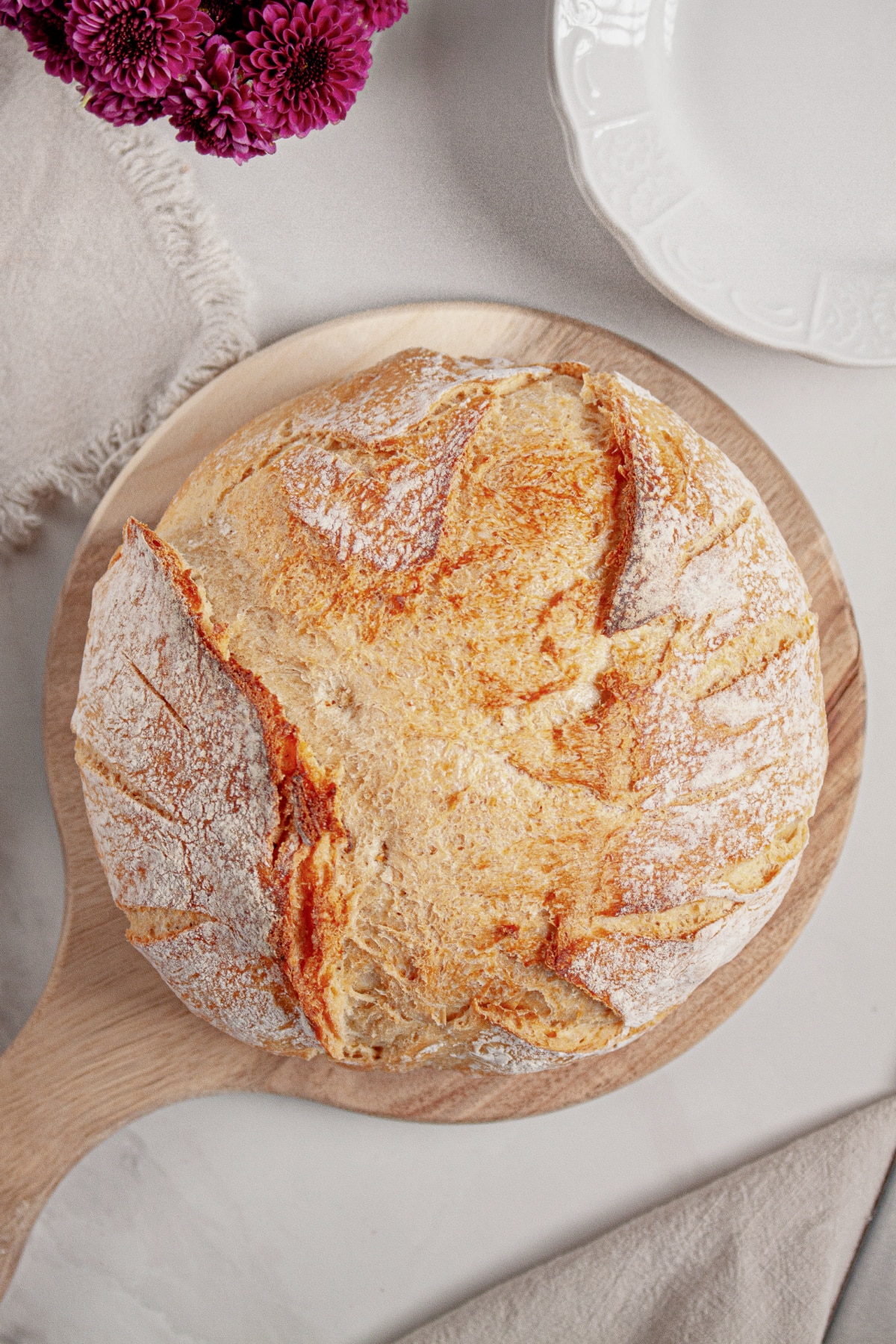
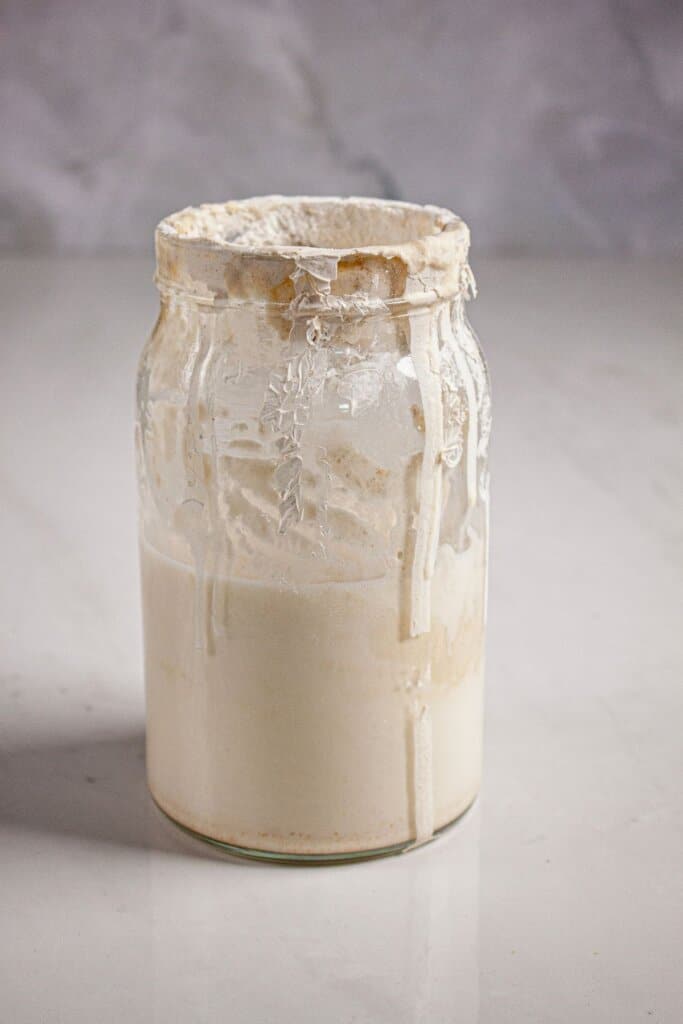
We remember being totally intimidated by the idea of making our own starter, but it’s honestly more forgiving than it seems. Watching it bubble to life over a few days is incredibly satisfying—like a little pet that lives on your counter. Plus, the flavor payoff is so worth it.
If you’re getting into baking, check out our guides for No-Knead Dutch Oven, Blueberry Sourdough, and Brown Bread to go along with your starter.
Table of contents
Why You’ll Love This Recipe
- Beginner-Friendly: No special equipment or experience required.
- Budget-Friendly: All you need is flour and water.
- Flavorful Results: The longer fermentation brings deep, complex flavors to your bread.
- Satisfying Process: Watching the starter come to life is genuinely rewarding.
Ingredients
We’ve made this list to help you save time on your next trip to the grocery store. You can find the full amounts needed in the printable recipe card at the bottom of the post.
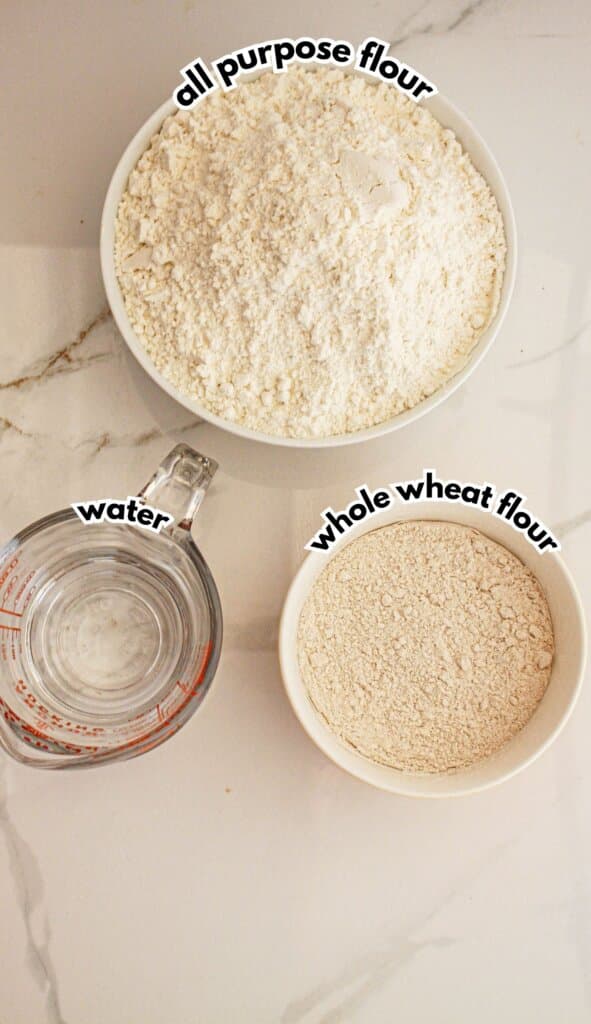
For this recipe, we start with whole wheat flour for its natural yeasts and then move to all-purpose flour for the feedings. Filtered water is important since chlorine in tap water can inhibit fermentation. A digital kitchen scale will make your life a lot easier here, ensuring accuracy every step of the way.
Variations
- Use all rye flour: Great for a more active and tangy starter.
- Add a splash of pineapple juice on day 1: Helps lower pH and kick-start fermentation.
- Start with all-purpose flour: You can skip whole wheat, though it may take longer to activate.
- Try einkorn or spelt: For a more rustic and nutty flavor profile.
Instructions
This is a quick overview of the steps needed to make this recipe. You can find the full instructions in the recipe card at the bottom of this post.
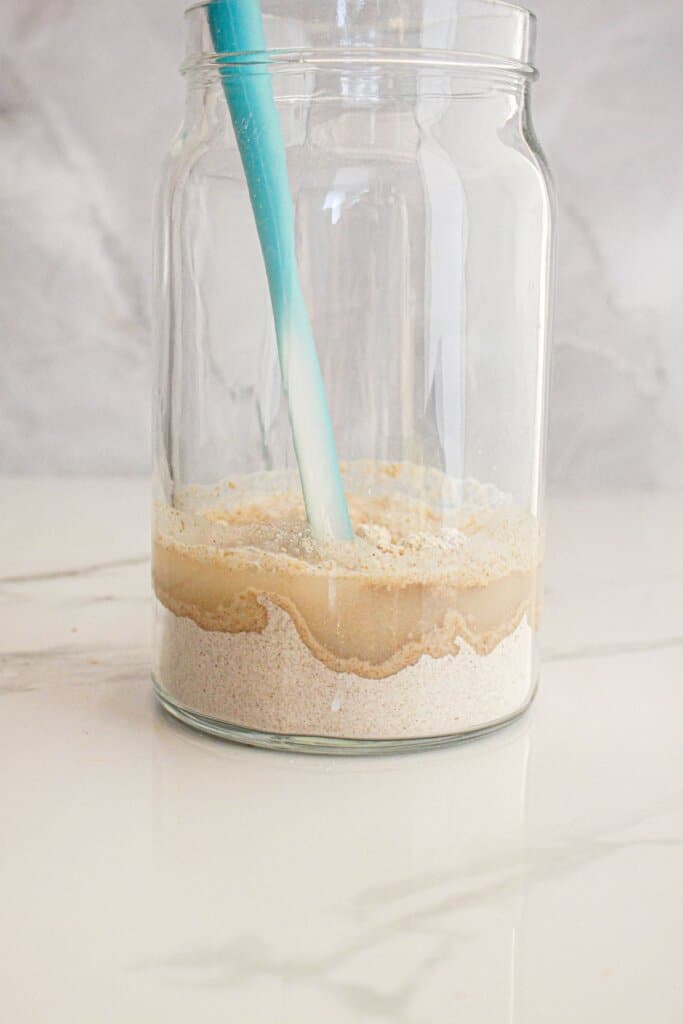
- Mix whole wheat flour and filtered water, stir into a jar, and let sit for 48 hours. On day 3, discard half and feed with all-purpose flour and water.
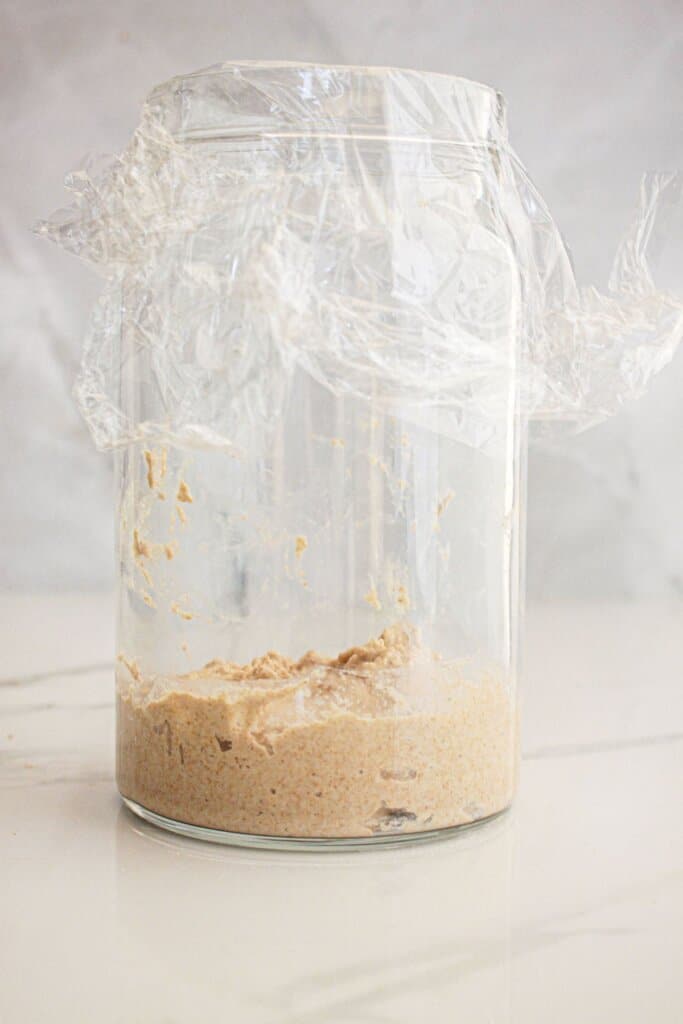
- Days 4-7: repeat daily feedings, discarding half each day. Continue daily feedings until it passes the float test.
Expert Tips
- Keep your starter in a warm (70-75°F), draft-free spot to encourage fermentation.
- Always use filtered water to avoid chlorine disrupting the natural yeasts.
- Mark the level of your starter with a rubber band to track its growth.
- If your starter develops a layer of clear liquid (“hooch”), just stir it back in or discard it.
Frequently Asked Questions
Do you have questions about this recipe? Here are the answers to the most commonly asked questions.
It can take anywhere from 7 to 14 days, depending on the temperature and flour used.
Discarding helps manage the acidity, keeps the size reasonable, and ensures you’re feeding the yeasts enough.
Only if it’s been left out for 24 hours or filtered. Chlorine can slow or stop fermentation.
The float test helps determine if your starter is active and ready to bake with. Drop a small spoonful of starter into a glass of water; if it floats, it’s full of gas and ready to use. If it sinks, give it more time and keep feeding daily.
★ Did you make this recipe? Don’t forget to give it a star rating below! We would love to hear back from you! You can also FOLLOW US on Instagram, Pinterest, and Facebook for more delicious recipes.
📖Recipe
Want to make this recipe? Print the recipe card below, or pin this recipe, so you can find it later.
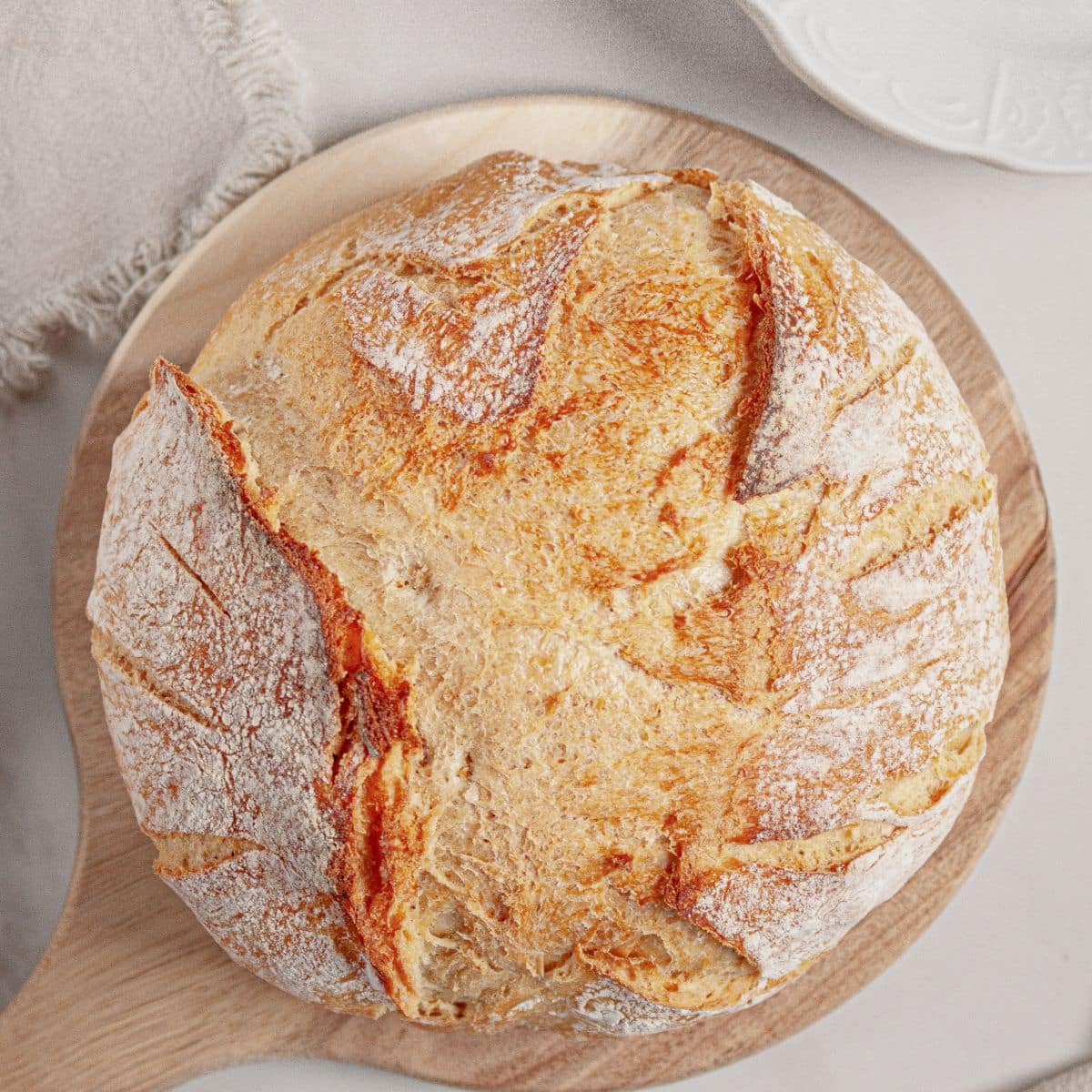
Sourdough Starter
Equipment
- Digital kitchen scale
- Large jar with a loose-fitting lid
- Spatula or wooden spoon
- Rubber band
- Filtered water
Ingredients
- 100 grams whole wheat flour
- 100 grams filtered water
- 500 grams all purpose flour
Instructions
- You will need to keep track of the days/times during this process, so keep notes or set reminders. Best practice is to change out the dough roughly the same time each day.
- Use a kitchen scale to weigh flour for accurate amounts of whole wheat flour and filtered water and add them to a jar. Stir together until mixed–it will be sticky, just try to get all the flour incorporated into the water. Cover loosely and place in a warm, draft free area and let sit for 48 hours.
- (2nd day doesn’t require any action)
- On day 3, remove roughly half of the starter and discard it. There should only be roughly 100 grams left in the jar.
- Add 100 grams of fresh, filtered water and 100 grams of all purpose flour and stir well. Cover the jar loosely and let it sit for another 24 hours.
- On day 4, discard roughly half of the starter. Add another 100 grams of fresh, filtered water and 100 grams of all purpose flour and stir well. Cover the jar loosely and let it sit for another 24 hours.
- Day 5-7, repeat the same process. This process may take up to 2 weeks, so on day 7 test your starter by dropping a teaspoon of the starter into a glass of water. If it floats, the starter is ready, if not, continue the discarding and feeding process each day until the teaspoon of starter floats.
- It should visually be obvious as the starter should be double or triple in size and very bubbly in appearance.
- Once the starter floats in water it’s now ready to make bread. Be sure to start with a recently fed starter so it’s nice and bubbly.
Notes
- Use whole wheat flour to jumpstart fermentation.
- Feed at the same time each day for consistency.
- Use a clean jar every few days to prevent mold.
- Store in a warm, draft-free area.
Disclaimer
Any nutritional data I provide is an approximation and actual dietary information can vary based on ingredients and proportion sizes.